


From Farm to Fork: The Life of Livestock
- Maggie

- Sep 15, 2025
- 2 min read
For many families around the world, meat is a centerpiece of meals—whether it’s a holiday roast, a backyard barbecue, or a simple chicken dinner. But behind every cut of meat is a much bigger story: one of birth, care, feeding, and stewardship before the animal ever reaches the processing stage.
Understanding this journey helps us see meat not just as a product, but as the result of years of careful work by farmers and ranchers.
From Birth to Barnyard
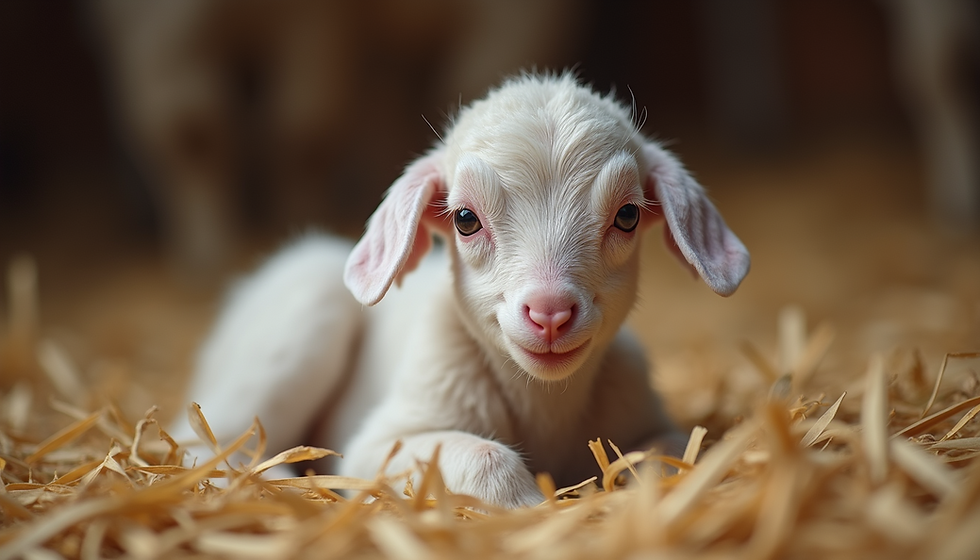
Every meat animal—cattle, pigs, chickens, goats, sheep—starts life the same way: birth. Farmers are present to ensure newborns get a healthy start. From the very beginning, animals are provided with shelter, food, and clean water to keep them thriving.
The timeline from birth to processing varies:
Chickens (broilers): 6–8 weeks
Pigs: 5–7 months
Lambs & Goats: 6–12 months
Cattle (beef): 18–24 months
During this time, farmers carefully manage animal health, balancing diets, monitoring for illness, and ensuring good living conditions.
Feeding & Care
Nutrition is central to raising livestock.
Cattle graze on pasture and may receive grain later for energy.
Pigs eat a mix of grains, soy, and forages.
Chickens need balanced feed with protein, grains, and minerals.
Sheep and goats thrive on grass, hay, and browse.
Good animal husbandry also includes regular health checks, vaccinations, and low-stress handling. Farmers know that healthier animals lead to healthier food.
Processing & Beyond
When animals reach the proper weight and age, they’re transported to processing facilities. This stage is highly regulated, with strict standards in place for animal welfare, food safety, and cleanliness.
The meat is then packaged and distributed—sometimes traveling thousands of miles before reaching your grocery store, or in the case of local farms, being sold directly to consumers through butcher shops or farm shares.
Why It Matters
For many people, this part of the farm-to-fork story is the hardest to think about. But it’s also one of the most important. Animals raised for food deserve dignity and care throughout their lives, and understanding their journey encourages more thoughtful choices as consumers. Supporting local farmers, learning about humane practices, or even simply respecting where your meat comes from can make a big difference.
From Farm to Your Fork
The steak on your plate or the roast chicken on your table represents months (or years) of work, care, and commitment. Recognizing this helps us honor the food we eat and the lives behind it.
👉 Farm-to-Fork Challenge #4: Next time you buy meat, take a moment to learn where it came from. Is there a local butcher or farmer in your area you could support? Even asking your grocery store about sourcing is a step toward more mindful eating.

Comments